Squalane
Характеристики
- INCI
- Squalane
- CAS
-
111-01-3
Это номер вещества в реестре Chemical Abstracts Service. Номер CAS используется для точной идентификации вещества независимо от языка, торгового названия или синонимов.
- EC
-
203-825-6
Это номер вещества в европейской системе идентификации химических веществ — EC number. Он используется в европейских регуляторных базах, включая ECHA/CosIng.
- IUPAC
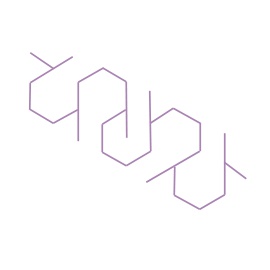
- 2,6,10,15,19,23-Hexamethyltetracosane
- Функции
- смягчающее средство, кондиционер для волос, жировосстанавливающий, кондиционирование кожи
- Раздражение
-
0 / 5
Потенциал раздражения: от 0 до 5, где 5 — наивысшая оценка раздражающего потенциала ингредиента.
Подробнее → - Комедоген.
-
1 / 5
Индекс комедогенности: оценка от 0 до 5. Если ингредиент некомедогенен (0–1), можно с уверенностью сказать, что он не является причиной «косметических угревых высыпаний» (акне, вызванных косметикой).
Подробнее →
Для кого подходит
Описание
Если ваша кожа когда-либо смотрела на жирное масло и говорила “ни в коем случае”, то, вероятно, втайне она мечтает о сквалане вместо него. Этот легкий, шелковистый углеводород является стабильным и насыщенным родственником сквалена, липида, который ваша кожа вырабатывает естественным образом в составе кожного сала. Поскольку он очень похож на вещество, уже присутствующее в кожном барьере, он кажется вам очень знакомым, не вызывает раздражения и не оставляет жирного блеска. В этом и заключается большая привлекательность лучших средств на основе сквалана: они придают вам мягкость и скольжение, как масла, без ощущения тяжести и удушья, которое оставляют после себя некоторые масла для лица.
Основные преимущества сквалана для кожи заключаются в смягчении и предотвращении потери влаги. Он помогает разгладить огрубевшие участки, делает кожу более эластичной и уменьшает ощущение стянутости после очищения. С практической точки зрения, это делает его прекрасным выбором для сухой, обезвоженной или легко раздражаемой кожи, а также для жирной и склонной к акне кожи, поскольку он легкий и, как правило, хорошо переносится. Согласно исследованию, проведенному в 2012 году, 1%-ная эмульсия, содержащая сквалан, улучшает увлажнение кожи и уменьшает трансэпидермальную потерю влаги после многократного использования, что является именно тем скучным, но важным результатом, который так нравится вашему барьеру. Если вы ищете лучший увлажняющий крем со скваланом или лучшее сквалановое масло для лица, самое лучшее - это простая формула с минимальными добавками и текстура, которую вы будете использовать постоянно.
Сквалан также прекрасно сочетается с другими ингредиентами. Сочетание сквалана и ниацинамида - очень разумный шаг: ниацинамид поддерживает кожный барьер и помогает сбалансировать жирный блеск и выровнять тон, в то время как сквалан смягчает и разглаживает кожу. Именно благодаря этому сочетанию многие люди предпочитают сквалановую сыворотку или увлажняющий крем для лица, чтобы кожа выглядела более спокойной и упругой. Что касается того, как использовать сквалан, считайте его последним этапом вашей повседневной жизни или добавляйте в увлажняющий крем, если хотите получить дополнительный комфорт. Если вы используете очищающее средство со скваланом, нанесите его массирующими движениями на сухую кожу, затем добавьте воды для эмульгирования перед смыванием; это основная идея использования очищающего средства со скваланом, включая популярную версию "Ординар". Его также можно использовать на длинных волосах в качестве легкого финишного масла, которое помогает справиться с сухостью и придает блеск, не создавая ситуации “я окунула голову в заправку для салата”. Что касается лучшего скваланового масла в Индии или где-либо еще, то победителем обычно становится то, которое является чистым, без запаха и разумно упаковано.
Есть еще одна приятная особенность: сквалан очень устойчив, поэтому он менее подвержен прогорканию, чем многие растительные масла. Это делает его незаменимым компонентом в составе светящихся масок, в том числе для использования в составе масок для сна squalane glow, которые сохраняют влагу на ночь. И если вы задаетесь вопросом о пользе сквалана для волос или кожи в целом, то ответ в основном один и тот же: мягкость, скольжение и барьерная защита. Возможно, это не гламурно, но чрезвычайно эффективно.
Подробнее
Нам кажется, что сквалан сейчас в моде, и для этого есть причина. С химической точки зрения, это насыщенный (без двойных связей) углеводород (молекула, состоящая только из углерода и водорода), что означает, что это приятная и стабильная маслянистая жидкость с длительным сроком хранения.
В природе он содержится в некоторых рыбьих и растительных маслах (например, оливковом), а также в кожном сале (жирном веществе, вырабатываемом нашей кожей) кожи человека. Как пишет Ф.К. в своем потрясающем блоге, основными преимуществами сквалана являются "смягчение, поверхностная окклюзия и предотвращение образования трещин - все это с исключительной косметической элегантностью". Другими словами, это превосходный увлажняющий крем, который делает вашу кожу красивой и гладкой, не делая ее тяжелой или жирной.
Еще одно преимущество сквалана в том, что он подходит практически для всех типов кожи и ее состояний. Он отлично подходит для кожи, склонной к акне, и безопасен в использовании, даже если у вас есть проблемы с кожей, связанные с грибками, такие как себорея или грибковые угри.
Ненасыщенной (с двойными связями) и, следовательно, менее стабильной версией Squal a ne является Squal e ne, вы можете прочитать об этом здесь >>
Часто задаваемые вопросы о Squalane
Что делает сквалан для ухода за кожей и лицом?
Как вы используете сквалановое масло для ухода за кожей?
Полезен ли сквалан для сухой или чувствительной кожи?
Может ли сквалан помочь с волосами?
Отличается ли сквалан от сквалена и какой из них используется в уходе за кожей?
Исследования и доказательная база: Squalane
-
1
Kim, Se-Kwon, and Fatih Karadeniz. "Biological importance and applications of squalene and squalane." Advances in food and nutrition research. Vol. 65. Academic Press, 2012. 223-233.
Продукты с Squalane (16 763 всего)
Чаще всего встречается в продукции APLB (122 продуктов)


