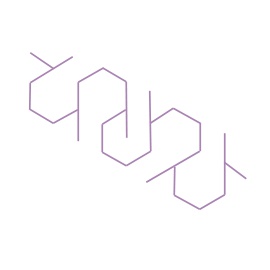
Caractéristiques
- INCI
- Squalane
- CAS
-
111-01-3
Il s'agit du numéro de la substance dans le registre du Chemical Abstracts Service. Le numéro CAS identifie de manière unique une substance indépendamment de la langue, du nom commercial ou des synonymes.
- EC
-
203-825-6
Il s'agit du numéro de substance dans le système européen d'identification chimique (numéro CE), utilisé dans les bases de données réglementaires européennes, y compris ECHA/CosIng.
- IUPAC
- 2,6,10,15,19,23-Hexamethyltetracosane
- Fonctions
- émollient, conditionnement des cheveux, rempotage, conditionnement de la peau
- Irritation
-
0 / 5
Potentiel d'irritation: 0-5, où 5 est la cote d'irritation la plus élevée pour l'ingrédient.
Plus de détails → - Comédogène.
-
1 / 5
Indice de comédogénicité: 0-5. Il est peu probable qu'un ingrédient non comédogène (0-1) provoque de l'acné cosmétique.
Plus de détails →
Pour qui
Descriptif
Si votre peau a déjà regardé une huile riche et a dit, " absolument pas," squalane est probablement la chose qu'il veut secrètement à la place. Cet hydrocarbure léger et soyeux est le cousin stable et saturé du squalène, un lipide que votre peau fabrique naturellement dans le sébum. Parce qu'il ressemble tellement à ce qui se trouve déjà dans votre barrière cutanée, il a tendance à être très familier, non difficile et magnifiquement non gras. C'est une grande partie de l'attrait des meilleurs produits au squalane: ils vous procurent la douceur et le glissement d'une huile sans la sensation lourde et étouffée que certaines huiles pour le visage laissent derrière elles.
Les principaux avantages du squalane pour la peau se résument à émollience et prévention des pertes d'eau. Il aide à lisser les zones rugueuses, rend la peau plus souple et peut réduire cette sensation de propreté serrée et grinçante après le nettoyage. Concrètement, cela en fait un excellent choix pour les peaux sèches, déshydratées ou facilement irritées, mais aussi pour les peaux grasses et à tendance acnéique car il est léger et généralement bien toléré. Dans une étude de 2012, une émulsion contenant 1% de squalane a amélioré l'hydratation de la peau et réduit la perte d'eau transépidermique après une utilisation répétée,ce qui est exactement le genre de résultat ennuyeux mais important que votre barrière aime. Si vous recherchez le meilleur hydratant au squalane ou la meilleure huile de squalane pour le visage, le point idéal est généralement une formule simple avec un minimum d'extras et une texture que vous continuerez à utiliser.
Le squalane joue également bien avec d'autres ingrédients. Associer le squalane et la niacinamide est une décision très judicieuse: la niacinamide soutient la barrière cutanée et aide à équilibrer le sébum et le teint irrégulier, tandis que le squalane apporte un fini amortissant et lissant. Cette combinaison est la raison pour laquelle de nombreuses personnes aiment un meilleur sérum ou hydratant au squalane dans une routine visant une peau plus calme et plus pulpeuse. Pour savoir comment utiliser le squalane, considérez-le comme la dernière étape de votre routine ou mélangé à votre crème hydratante si vous souhaitez un confort supplémentaire. Si vous utilisez un nettoyant au squalane, massez-le sur la peau sèche, puis ajoutez de l'eau pour émulsionner avant de rincer; c'est l'idée de base de l'utilisation du nettoyant au squalane, y compris la populaire version ordinaire. Il peut également être utilisé sur les longueurs de cheveux comme huile de finition légère, où il aide à apprivoiser la sécheresse et à ajouter de la brillance sans que” je me suis trempé la tête dans une vinaigrette". En ce qui concerne la meilleure huile de squalane en Inde ou ailleurs, le gagnant est généralement celui qui est pur, sans parfum et emballé judicieusement.
Il y a encore une bonne chose: le squalane est très stable, il est donc moins susceptible de rancir que de nombreuses huiles végétales. Cela en fait également une option fiable dans les masques éclatants, y compris comment utiliser les formules de masque de sommeil éclat squalane qui visent à sceller l'humidité pendant la nuit. Et si vous vous interrogez sur les bienfaits du squalane pour les cheveux ou la peau en général, la réponse est généralement la même bonne nouvelle: douceur, glissement et soutien de la barrière. Pas glamour, peut-être, mais extrêmement efficace.
Plus de détails
Questions fréquentes sur Squalane
Que fait le squalane pour les soins de la peau et du visage?
Comment utiliser l'huile de squalane dans une routine de soin de la peau?
Le squalane est-il bon pour les peaux sèches ou sensibles?
Le squalane peut-il aider avec les cheveux?
Le squalane est-il différent du squalène et lequel est utilisé dans les soins de la peau?
Preuves scientifiques sur Squalane
-
1
Kim, Se-Kwon, and Fatih Karadeniz. "Biological importance and applications of squalene and squalane." Advances in food and nutrition research. Vol. 65. Academic Press, 2012. 223-233.
Produits avec Squalane (16 762 total des dépenses)
Présent surtout dans les produits APLB (122 produits)


