Squalane
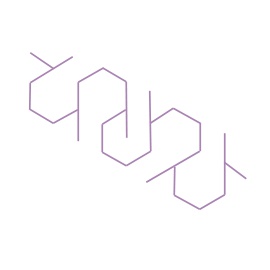
Características
- INCI
- Squalane
- CAS
-
111-01-3
Este es el número de sustancia en el registro del Chemical Abstracts Service. El número CAS identifica de forma exclusiva una sustancia independientemente del idioma, el nombre comercial o los sinónimos.
- EC
-
203-825-6
Este es el número de sustancia en el sistema europeo de identificación química (número CE), que se utiliza en las bases de datos regulatorias europeas, incluida la ECHA / CosIng.
- IUPAC
- 2,6,10,15,19,23-Hexamethyltetracosane
- Funciones
- emoliente, acondicionamiento del cabello, volver a engrasar, acondicionamiento de la piel
- Irritabilidad
-
0 / 5
Potencial de irritación: 0-5, donde 5 es la calificación de irritación más alta para el ingrediente.
Más detalles → - Comedógeno.
-
1 / 5
Índice de comedogenicidad: 0-5. Es poco probable que un ingrediente no comedogénico (0-1) cause acné cosmético.
Más detalles →
Para quién
Descripción
Si tu piel alguna vez ha mirado un aceite rico y ha dicho: "absolutamente no", escualano probablemente sea lo que secretamente quiere en su lugar. Este hidrocarburo ligero y sedoso es el primo estable y saturado del escualeno, un lípido que su piel produce naturalmente como parte del sebo. Debido a que es muy similar a las cosas que ya se encuentran en la barrera cutánea, tiende a sentirse muy familiar, no irritante y bellamente no grasoso. Esa es una gran parte del atractivo de los mejores productos de escualano: le brindan la suavidad y el deslizamiento de un aceite sin la sensación pesada y sofocante que dejan algunos aceites faciales.
Los principales beneficios del escualano para la piel se reducen a emoliencia y prevención de pérdida de agua. Ayuda a suavizar las manchas ásperas, hace que la piel se sienta más flexible y puede reducir esa sensación de tirantez y limpieza chirriante después de la limpieza. En términos prácticos, eso lo convierte en una opción encantadora para la piel seca, deshidratada o fácilmente irritada, pero también para la piel grasa y propensa al acné porque es liviana y generalmente bien tolerada. En un estudio de 2012, una emulsión que contenía un 1% de escualano mejoró la hidratación de la piel y redujo la pérdida transepidérmica de agua después de un uso repetido, que es exactamente el tipo de resultado aburrido pero importante que le encanta a su barrera. Si está buscando el mejor humectante de escualano o el mejor aceite de escualano para el rostro, el punto óptimo suele ser una fórmula simple con mínimos extras y una textura que realmente seguirá usando.
El escualano también juega muy bien con otros ingredientes. Combinar escualano y niacinamida es un movimiento muy sensato: la niacinamida apoya la barrera cutánea y ayuda con el equilibrio de la grasa y el tono desigual, mientras que el escualano aporta un acabado acolchado y suavizante. Esa combinación es la razón por la que a muchas personas les gusta el mejor suero o humectante de escualano en una rutina dirigida a una piel más calmada y tersa. Para saber cómo usar el escualano, considérelo como el último paso de su rutina, o mézclelo con su humectante si desea mayor comodidad. Si está usando un limpiador de escualano, masajee sobre la piel seca, luego agregue agua para emulsionar antes de enjuagar; esa es la idea básica detrás de cómo usar el limpiador de escualano, incluida la popular versión The Ordinary. También se puede usar en largos de cabello como un aceite de acabado ligero, donde ayuda a controlar la sequedad y agregar brillo sin esa situación de" Mojé la cabeza en aderezo para ensaladas". En cuanto al mejor aceite de escualano en la India o en cualquier otro lugar, el ganador suele ser el que es puro, sin fragancia y envasado de manera sensata.
Hay una cosa más buena: el escualano es muy estable, por lo que es menos probable que se ponga rancio que muchos aceites vegetales. Eso también lo convierte en una opción confiable en máscaras luminosas, incluida la forma de usar fórmulas de máscaras para dormir con brillo de escualano que tienen como objetivo sellar la humedad durante la noche. Y si se pregunta sobre los beneficios del escualano para el cabello o la piel en general, la respuesta es principalmente las mismas buenas noticias de siempre: suavidad, deslizamiento y soporte de barrera. No glamoroso, tal vez, pero extremadamente efectivo.
Más detalles
Nos parece que el escualano está de moda y hay una razón para ello. Químicamente hablando, es un hidrocarburo saturado (una molécula que consiste solo en carbono e hidrógeno), lo que significa que es un líquido aceitoso agradable y estable con una larga vida útil. Se produce naturalmente en ciertos aceites de pescado y plantas (por ejemplo, aceite de oliva), y en el sebo (la materia aceitosa que produce nuestra piel) de la piel humana. Como f.c. lo pone en su increíble blog, las cosas principales del post-escualano son la superficie, la oclusión, y la prevención de TEW con una elegancia cosmética extrema. En otras palabras, es un líquido aceitoso agradable y estable con una larga vida útil. Es seguro para usar incluso si tienes problemas de piel como la piel aguda y fúngica, y es menos resistente a los hongos y hongos. Es una versión segura y segura para usar, incluso si tienes problemas de piel aguda y fúngica.
Preguntas frecuentes sobre Squalane
¿Qué hace el escualano para el cuidado de la piel y el rostro?
¿Cómo se usa el aceite de escualano en una rutina de cuidado de la piel?
¿El escualano es bueno para la piel seca o sensible?
¿Puede el escualano ayudar con el cabello?
¿Es el escualano diferente del escualeno y cuál se usa en el cuidado de la piel?
Evidencia e investigación sobre Squalane
-
1
Kim, Se-Kwon, and Fatih Karadeniz. "Biological importance and applications of squalene and squalane." Advances in food and nutrition research. Vol. 65. Academic Press, 2012. 223-233.
Productos con Squalane (16 763 total)
Más frecuente en productos APLB (122 productos)


