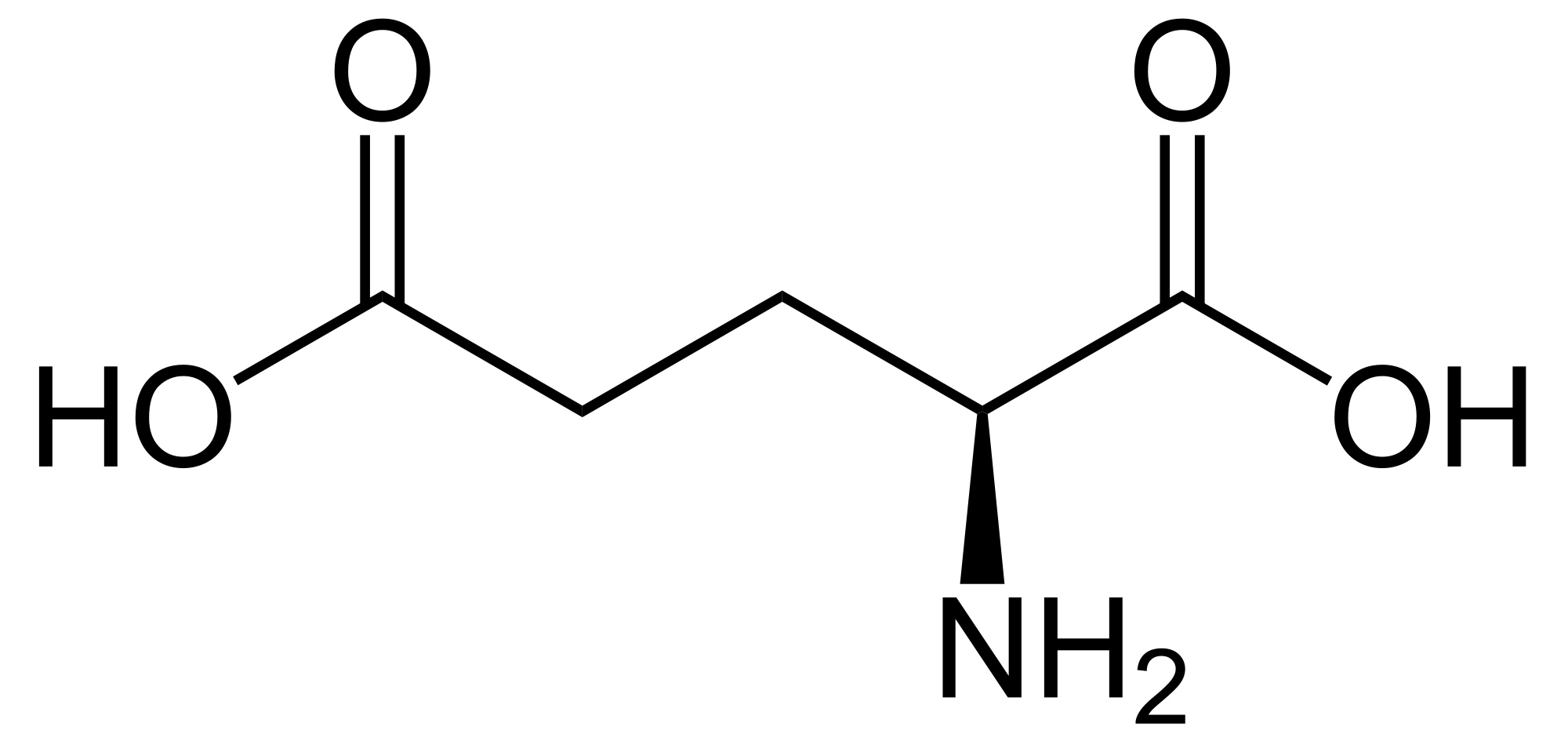
Характеристики
- INCI
- Glutamic Acid
- CAS
-
56-86-0
Это номер вещества в реестре Chemical Abstracts Service. Номер CAS используется для точной идентификации вещества независимо от языка, торгового названия или синонимов.
- EC
-
200-293-7
Это номер вещества в европейской системе идентификации химических веществ — EC number. Он используется в европейских регуляторных базах, включая ECHA/CosIng.
- IUPAC
- (S)-2-Aminopentanedioic Acid
- Функции
- антистатический, кондиционер для волос, увлажнитель
Для кого подходит
Описание
Звучит так, будто глутаминовую кислоту можно найти на экзамене по биохимии, а не в составе увлажняющего крема, но на самом деле она выполняет самую обычную повседневную работу в коже. Это природная аминокислота и строительный материал для белков, так что да, она принадлежит к тому же обширному семейству, которому уделяется много внимания в дискуссиях о пользе аминокислот для организма, о пищевых добавках и обо всем остальном, что называется “лучшей аминокислотой”. Однако в косметологии мы меньше заботимся о культуре занятий спортом и больше о том, чтобы ваша кожа любила аминокислоты, потому что они помогают ей оставаться эластичной, увлажненной и, как правило, менее раздражительной.
Как ингредиент для ухода за кожей, глутаминовая кислота в основном действует как увлажнитель и кондиционирующее средство, что означает, что она помогает притягивать и удерживать влагу. Это делает актуальным использование аминокислот для кожи, поскольку аминокислоты являются частью естественного увлажняющего фактора вашей кожи, небольшой системы управления увлажнением, которая предохраняет внешний слой кожи от шелушения. Глутаминовая кислота также может превращаться в коже в пирролидонкарбоновую кислоту, а ее натриевая соль является натуральным увлажняющим компонентом, идентичным коже. Другими словами, это не просто декоративная химия; она может способствовать одному из собственных механизмов увлажнения кожи.
Здесь есть забавный нюанс: глутаминовая кислота существует в двух зеркальных формах, L- и D-глутаминовой кислоте, и они ведут себя по-разному. В исследовании, проведенном в 2000 году на моделях поврежденной кожи, L-глутаминовая кислота замедляла восстановление, в то время как D-глутаминовая кислота ускоряла его, поэтому точная форма имеет гораздо большее значение, чем название на этикетке. Именно здесь такие поисковые запросы, как "польза глутаминовой кислоты", "польза глутаминовой кислоты для кожи" и даже "формула с глутаминовой кислотой", заводят людей в тупик. Этот ингредиент также может регулировать уровень pH, помогая сохранить составы более приятными для кожи. Если вы надеялись на чудодейственные заявления об аминокислотных добавках, аминокислотных таблетках или лучших аминокислотных добавках для роста мышц, то это совсем другая история; они относятся к nutrition, а не к вашей сыворотке. В косметологии сверхспособность глутаминовой кислоты проявляется гораздо проще: она поддерживает гидратацию и помогает коже вести себя как здоровая кожа.
Еще одно замечание для ботаников: глутаминовая кислота также связана с декарбоксилазой глутаминовой кислоты, декарбоксилазой глутаминовой кислоты 65 ab и антителами к декарбоксилазе глутаминовой кислоты в медицинском контексте, но это касается ферментов и иммунных тестов, а не пользы для ухода за кожей. Так что, хотя вы можете услышать бесконечную болтовню о лучшей аминокислотной пудре, лучших аминокислотных добавках в Великобритании или лучших аминокислотных добавках для женщин и мужчин, на этикетке косметики указано, что глутаминовая кислота - это всего лишь разумный помощник, который может сделать вашу формулу более увлажняющей и благоприятной для кожи.
Подробнее
Глутаминовая кислота - это маленькая молекула и несущественная (наш организм может синтезировать ее) аминокислота с важной задачей быть нейротрансмиттером в человеческом теле, что означает, что она помогает вашей нервной системе работать правильно.
Что касается того, что она делает в косметике, Главное, что глутаминовая кислота делает (подобно другим аминокислотам) - это быть увлажнителем и кондиционером кожи. Если вы прикрепите много молекул глутаминовой кислоты, вы получите полиглютаминовую кислоту, которая, как утверждается, лучше, чем гиалуроновая кислота. Это также, кажется, влияет на восстановление кожи, однако, не ясно, в каком направлении она идет. Как и любая другая форма, она может быть использована в косметической промышленности. Поскольку глутаминовая кислота имеет два способа восстановления кожи, она также может быть хорошим ингредиентом, если ее можно использовать в качестве содержира для восстановления кожи.
Часто задаваемые вопросы о Glutamic Acid
Что делает глутаминовая кислота при уходе за кожей?
Полезна ли глутаминовая кислота для сухой или чувствительной кожи?
В чем разница между глутаминовой кислотой и глутаматом?
Является ли глутаминовая кислота той же аминокислотой, которая используется в пище и организме?
Как производится глутаминовая кислота для косметических средств?
Исследования и доказательная база: Glutamic Acid
-
1
Denda, Mitsuhiro, Shigeyoshi Fuziwara, and Kaori Inoue. 2003. “Influx of Calcium and Chloride Ions into Epidermal Keratinocytes Regulates Exocytosis of Epidermal Lamellar Bodies and Skin Permeability Barrier Homeostasis.” Journal of Investigative Dermatol
-
2
Fuziwara, Shigeyoshi, Kaori Inoue, and Mitsuhiro Denda. 2003. “NMDA-Type Glutamate Receptor Is Associated with Cutaneous Barrier Homeostasis.” Journal of Investigative Dermatology 120 (6): 1023–29.Найти в PubMed
-
3
Kumar, Akhilesh, and Anand K. Bachhawat. 2012. “Pyroglutamic Acid: Throwing Light on a Lightly Studied Metabolite.” Current Science 102 (2): 288–97.Найти в PubMed
Продукты с Glutamic Acid (2 748 всего)
Чаще всего встречается в продукции Filorga Laboratories (75 продуктов)


