Caratteristica
- INCI
- Glutamic Acid
- CAS
-
56-86-0
Questo è il numero della sostanza nel registro del Chemical Abstracts Service. Il numero CAS identifica in modo univoco una sostanza indipendentemente dalla lingua, dal nome commerciale o dai sinonimi.
- EC
-
200-293-7
Questo è il numero della sostanza nel sistema europeo di identificazione chimica (numero CE), utilizzato nelle banche dati normative europee, tra cui ECHA/CosIng.
- IUPAC
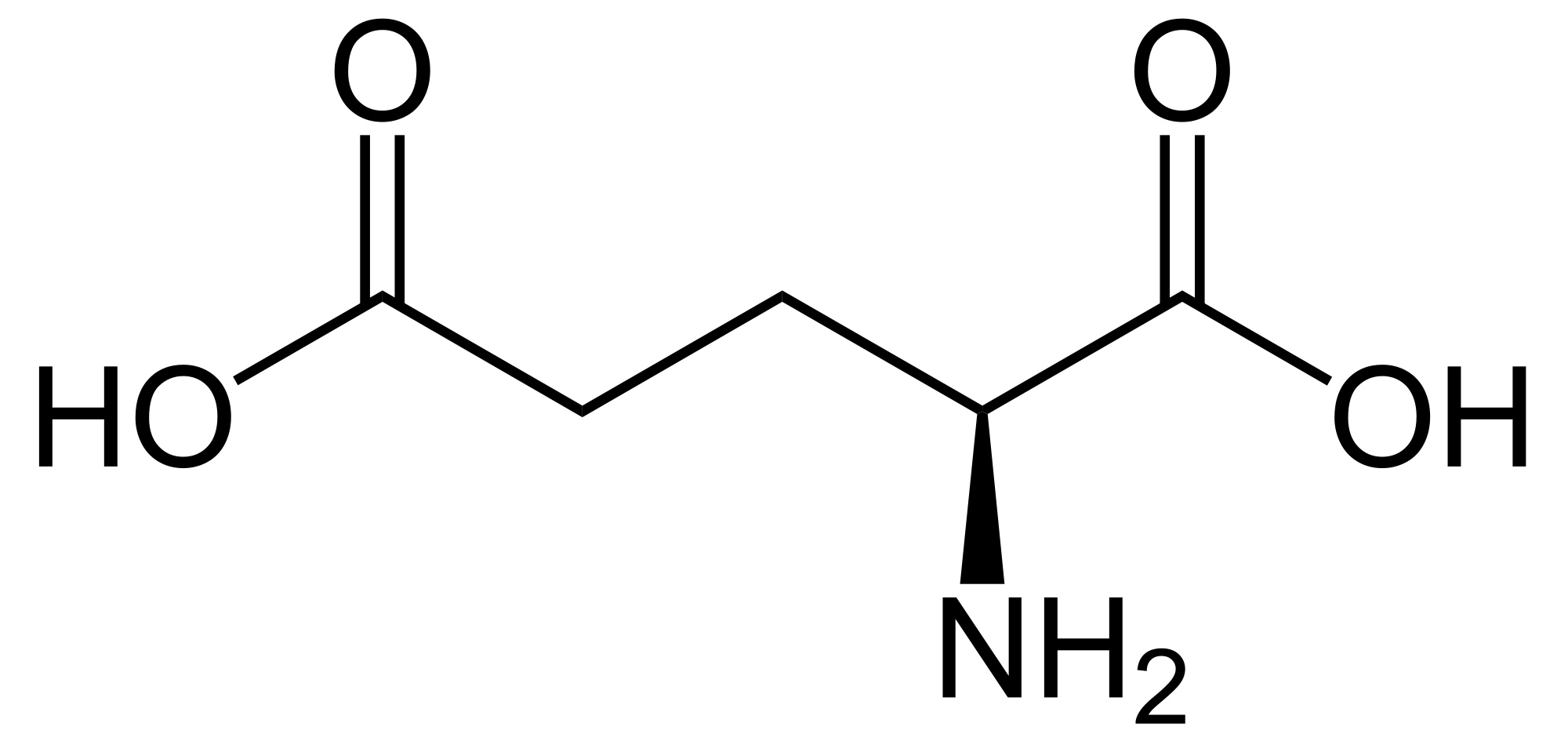
- (S)-2-Aminopentanedioic Acid
- Funzione
- antistatico, condizionamento dei capelli, umettante
Per chi
Descrizione
L'acido glutammico sembra qualcosa che troveresti in un esame di biochimica, non nella tua crema idratante, ma in realtà ha un lavoro quotidiano molto ordinario nella pelle. È un aminoacido naturale e un elemento costitutivo di proteine, quindi sì, appartiene alla stessa vasta famiglia che riceve molta attenzione nelle discussioni sul benefici degli aminoacidi nel corpo, negli integratori e nel” miglior aminoacido " tutto. Nei cosmetici, però, ci preoccupiamo meno della cultura della palestra e più del fatto che alla tua pelle piacciono gli aminoacidi perché la aiutano a rimanere flessibile, idratata e generalmente meno irritabile.
Come ingrediente per la cura della pelle, l'acido glutammico agisce principalmente come un umettante e agente condizionante della pelle, il che significa che aiuta ad attrarre e trattenere l'acqua. Ciò lo rende rilevante per il benefici degli aminoacidi per la pelle, perché gli amminoacidi sono parte del fattore idratante naturale della Sua pelle, il piccolo sistema di umidità-gestione che tiene lo strato esterno da trasformarsi in un disastro traballante. L'acido glutammico può anche essere convertito nella pelle in acido carbossilico pirrolidone e il suo sale di sodio è un autentico ingrediente idratante identico alla pelle. In altre parole, non è solo chimica decorativa; può alimentare uno dei percorsi di idratazione della pelle.
C'è una svolta geek qui: l'acido glutammico esiste come due forme di immagine speculare, l'acido L-e D-glutammico, e non si comportano allo stesso modo. In uno studio del 2000 su modelli di pelle danneggiata, Acido L-glutammico riparazione ritardata, mentre L'acido D-glutammico lo ha accelerato, che è perché la forma esatta conta molto più che il nome sull'etichetta suggerisce. Questo è anche il luogo in cui i termini di ricerca come i benefici dell'acido glutammico, i benefici dell'acido glutammico per la pelle e persino la formula dell'acido glutammico portano le persone in una tana di coniglio. L'ingrediente può anche servire come un Regolatore pH, aiutando tenga le formule in una gamma pelle-amichevole. Se speravi in affermazioni miracolose su integratori di aminoacidi, compresse di aminoacidi o i migliori integratori di aminoacidi per la crescita muscolare, questa è una storia completamente diversa; quelli appartengono alla nutrizione, non al tuo siero. Nei cosmetici, il superpotere dell'acido glutammico è molto più semplice: sostenere l'idratazione e aiutare la pelle a comportarsi un po ' più come una pelle sana.
Un'altra nota nerd: l'acido glutammico è anche correlato alla decarbossilasi dell'acido glutammico, alla decarbossilasi dell'acido glutammico 65 ab e all'anticorpo della decarbossilasi dell'acido glutammico in contesti medici, ma si tratta di enzimi e test immunitari, non di benefici per la cura della pelle. Quindi, mentre si possono trovare infinite chiacchiere sulla migliore polvere di aminoacidi, i migliori integratori di aminoacidi nel Regno Unito o i migliori integratori di aminoacidi per donne e uomini, su un'etichetta cosmetica l'acido glutammico è solo un aiuto sensibile e ben educato che può rendere la tua formula un po ' più idratante e adatta alla pelle.
Maggiori dettagli
Domande frequenti su Glutamic Acid
Cosa fa l'acido glutammico nella cura della pelle?
L'acido glutammico è buono per la pelle secca o sensibile?
Qual è la differenza tra acido glutammico e glutammato?
L'acido glutammico è lo stesso dell'amminoacido usato nel cibo e nel corpo?
Come viene prodotto l'acido glutammico per i prodotti cosmetici?
Prove e ricerca su Glutamic Acid
-
1
Denda, Mitsuhiro, Shigeyoshi Fuziwara, and Kaori Inoue. 2003. “Influx of Calcium and Chloride Ions into Epidermal Keratinocytes Regulates Exocytosis of Epidermal Lamellar Bodies and Skin Permeability Barrier Homeostasis.” Journal of Investigative Dermatol
-
2
Fuziwara, Shigeyoshi, Kaori Inoue, and Mitsuhiro Denda. 2003. “NMDA-Type Glutamate Receptor Is Associated with Cutaneous Barrier Homeostasis.” Journal of Investigative Dermatology 120 (6): 1023–29.Trova in PubMed
-
3
Kumar, Akhilesh, and Anand K. Bachhawat. 2012. “Pyroglutamic Acid: Throwing Light on a Lightly Studied Metabolite.” Current Science 102 (2): 288–97.Trova in PubMed
Prodotti con Glutamic Acid (2 748 totale)
Più comune nei prodotti Filorga Laboratories (75 articoli)


