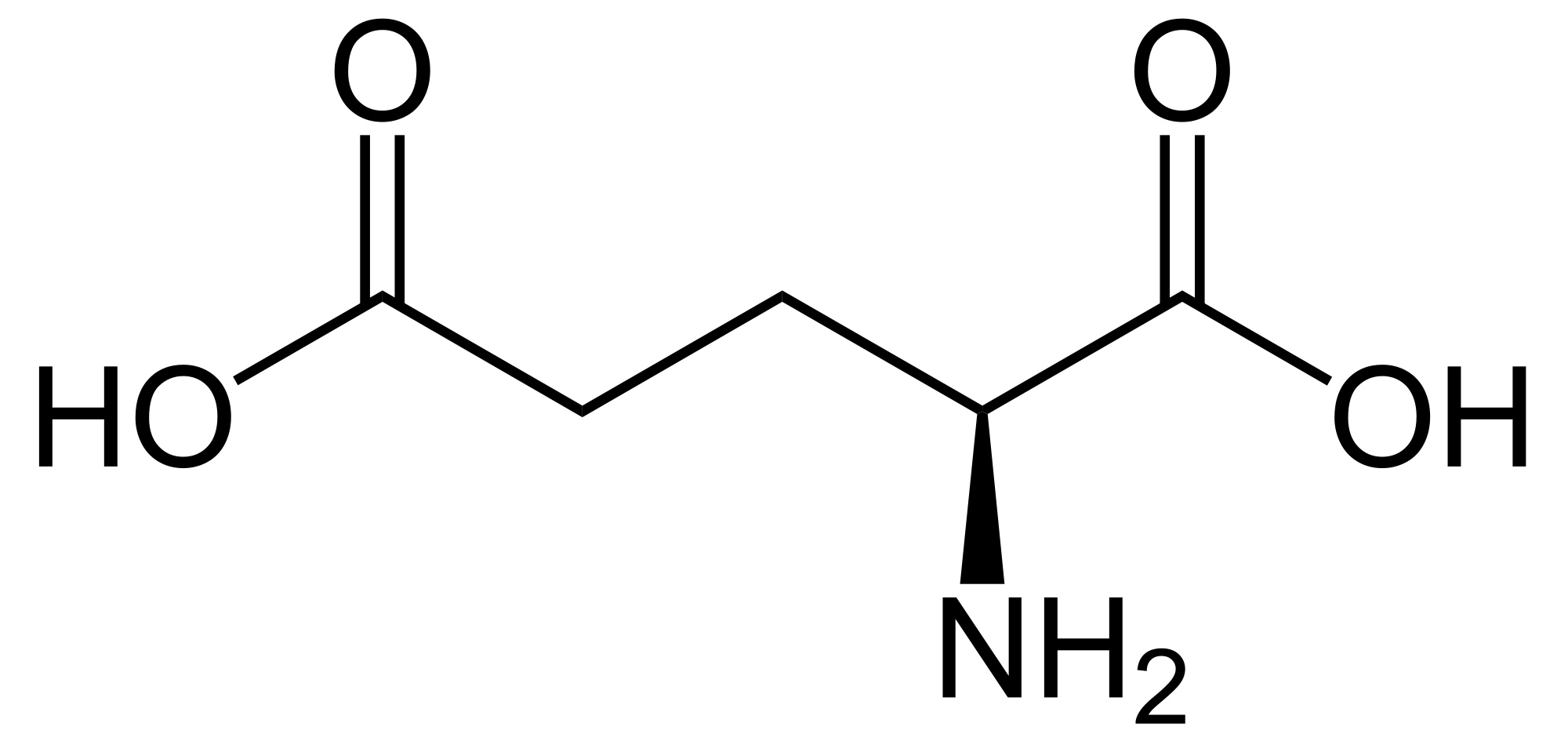
Characteristics
- INCI
- Glutamic Acid
- CAS
-
56-86-0
This is the substance number in the Chemical Abstracts Service registry. The CAS number uniquely identifies a substance regardless of language, trade name, or synonyms.
- EC
-
200-293-7
This is the substance number in the European chemical identification system (EC number), used in European regulatory databases including ECHA/CosIng.
- IUPAC
- (S)-2-Aminopentanedioic Acid
- Functions
- Antistatic, Hair conditioning, Humectant
Who it's for
Description
Glutamic acid sounds like something you’d find in a biochemistry exam, not in your moisturizer, but it actually has a very ordinary day job in the skin. It’s a naturally occurring amino acid and a building block of proteins, so yes, it belongs to the same broad family that gets a lot of attention in discussions about the benefits of amino acids in the body, in supplements, and in “best amino acid” everything. In cosmetics, though, we care less about gym culture and more about the fact that your skin likes amino acids because they help it stay flexible, hydrated, and generally less cranky.
As a skincare ingredient, glutamic acid mainly acts as a humectant and skin-conditioning agent, which means it helps attract and hold onto water. That makes it relevant for the benefits of amino acids for skin, because amino acids are part of your skin’s natural moisturizing factor, the little moisture-management system that keeps the outer layer from turning into a flaky disaster. Glutamic acid can also be converted in the skin into pyrrolidone carboxylic acid, and its sodium salt is a genuine skin-identical moisturizing ingredient. In other words, it’s not just decorative chemistry; it can feed into one of the skin’s own hydration pathways.
There’s a geeky twist here: glutamic acid exists as two mirror-image forms, L- and D-glutamic acid, and they do not behave the same way. In a 2000 study on damaged skin models, L-glutamic acid delayed repair, while D-glutamic acid sped it up, which is why the exact form matters a lot more than the name on the label suggests. This is also where search terms like glutamic acid benefits, glutamic acid benefits for skin, and even glutamic acid formula get people into a rabbit hole. The ingredient can also serve as a pH adjuster, helping keep formulas in a skin-friendlier range. If you were hoping for miracle claims about amino acid supplements, amino acid tablets, or the best amino acid supplements for muscle growth, that’s a different story entirely; those belong to nutrition, not your serum. In cosmetics, glutamic acid’s superpower is much simpler: supporting hydration and helping skin behave a bit more like healthy skin.
One more nerd note: glutamic acid is also related to glutamic acid decarboxylase, glutamic acid decarboxylase 65 ab, and glutamic acid decarboxylase antibody in medical contexts, but those are about enzymes and immune testing, not skincare benefits. So while you may find endless chatter about the best amino acid powder, best amino acid supplements uk, or best amino acid supplements for females and men, on a cosmetic label glutamic acid is just a sensible, well-behaved helper that may make your formula a little more moisturizing and skin-friendly.
More detail
Glutamic acid is a little molecule and non-essential (our body can synthesize it) amino acidwith the important job of being a neurotransmitter in the human body meaning that it helps your nervous system work correctly.
As for what it's doing in cosmetics, Glutamic acids' main thing (similar to other amino acids) is being a humectant moisturizer and skin-conditioning agent(sidenote: if you attach lots of glutamic acid molecules, you get polyglutamic acid that is claimed to be a better than hyaluronic acid humectant). It also seems to affect skin barrier repair, however, it is not clear-cut in which direction.
The complication is that glutamic acid has two distinct forms, L-glutamic acid and D-glutamic acid, that are the mirror images of each other (think of it like your left and right hand). Studies show that a topical application of L-glutamic acid on damaged skin delayed skin repair, while D-glutamic acid application sped up skin repair. As both forms are used by the industry, it is a bit uncertain what you are getting with just glutamic acid on the ingredient list (but if it is a Shiseido group product, it is probably the goodie D-form :)).
Other than that, Glutamic acid can also be used as a pH adjuster and can be processed via biological pathways into pyrrolidone carboxylic acid, the sodium salt of which is a goodie and one of your skin’s natural moisturizing factors.
Frequently Asked Questions about Glutamic Acid
What does glutamic acid do in skincare?
Is glutamic acid good for dry or sensitive skin?
What is the difference between glutamic acid and glutamate?
Is glutamic acid the same as the amino acid used in food and the body?
How is glutamic acid made for cosmetic products?
Evidence & Research on Glutamic Acid
-
1
Denda, Mitsuhiro, Shigeyoshi Fuziwara, and Kaori Inoue. 2003. “Influx of Calcium and Chloride Ions into Epidermal Keratinocytes Regulates Exocytosis of Epidermal Lamellar Bodies and Skin Permeability Barrier Homeostasis.” Journal of Investigative Dermatol
-
2
Fuziwara, Shigeyoshi, Kaori Inoue, and Mitsuhiro Denda. 2003. “NMDA-Type Glutamate Receptor Is Associated with Cutaneous Barrier Homeostasis.” Journal of Investigative Dermatology 120 (6): 1023–29.Find in PubMed
-
3
Kumar, Akhilesh, and Anand K. Bachhawat. 2012. “Pyroglutamic Acid: Throwing Light on a Lightly Studied Metabolite.” Current Science 102 (2): 288–97.Find in PubMed
Products with Glutamic Acid (2 747 total)
Most often found in Filorga Laboratories products (74 items)


