Squalene
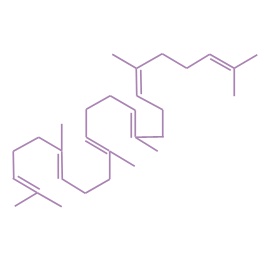
Caratteristica
- INCI
- Squalene
- CAS
-
111-02-4
Questo è il numero della sostanza nel registro del Chemical Abstracts Service. Il numero CAS identifica in modo univoco una sostanza indipendentemente dalla lingua, dal nome commerciale o dai sinonimi.
- EC
-
203-826-1
Questo è il numero della sostanza nel sistema europeo di identificazione chimica (numero CE), utilizzato nelle banche dati normative europee, tra cui ECHA/CosIng.
- IUPAC
- 2,6,10,15,19,23-Hexamethyltetracosa-2,6,10,14,18,22-Hexaene
- Funzione
- antistatico, emolliente, condizionamento dei capelli, refatting, condizionamento della pelle
Per chi
Descrizione
Se la tua pelle potesse scegliere un olio preferito, squalene probabilmente sarebbe in corsa. È uno di quei lipidi naturali che la tua pelle conosce e utilizza già: 13% di sebo umano è squalene. Questo lo rende un ingrediente molto simile alla pelle, motivo per cui si sente a casa in creme idratanti, oli per il viso e altre formule emollienti. Storicamente è stato originariamente ottenuto dal fegato di squalo, ma in questi giorni può anche essere ottenuto da fonti vegetali come oli di oliva, arachidi e zucca.
Ciò che lo rende interessante è la sua chimica. Squalene è un idrocarburi insaturi, che è un modo elegante di dire che contiene doppi legami e solo atomi di carbonio e idrogeno. Quei doppi legami sono un'arma a doppio taglio: fanno squalene più incline all'ossidazione, ma anche gli danno un certo potenziale antiossidante. In altre parole, può aiutare a assorbire alcuni dei cattivi reattivi che contribuiscono allo stress ossidativo. Il problema è che questa reattività lo rende anche meno stabile rispetto al suo cugino più noto, squalane, quindi tende ad avere una durata di conservazione più breve ed è meno comune nei prodotti finiti.
Come ingrediente di cura di pelle, squalene funziona pricipalmente come emolliente leggero. Aiuta a levigare la superficie della pelle e può ridurre quella sensazione stretta e asciutta senza essere particolarmente pesante o grassa. Poiché è così simile ai componenti che la tua pelle produce già, è generalmente considerato un ingrediente molto amichevole per la pelle secca o matura in particolare. Detto questo, la sua utilità nelle formule dipende molto dall'imballaggio e dal supporto antiossidante, poiché l'ossidazione può trasformarlo da confortante per la pelle a un po ' temperamentale.
Se continui a vedere squalene e squalane mescolati, non stai immaginando le cose. Sono strettamente correlati, ma squalane è la versione idrogenata e più stabile, che è perché si presenta molto più spesso in cura di pelle. Squalene è il più biologicamente familiare, mentre squalane è il overachiever pratico che sopravvive meglio la bottiglia. Quindi, se una formula utilizza squalene, stai guardando un lipide più naturale per la pelle con alcuni vantaggi antiossidanti, ma anche uno che ha bisogno di un po ' più di babysitting cosmetico.
Maggiori dettagli
Lo squalene è un liquido oleoso originario del fegato di squalo, ma per fortuna si può trovare anche in un paio di oli vegetali. L'olio di oliva (0,6%), quello di arachidi (0,1%) e quello di zucca (0,35%) lo contengono, anche se non in quantità enormi. Ciò che ne contiene di più è il sebo (la sostanza oleosa) che la nostra pelle produce. Circa il 13% del sebo umano è squalene, il che significa che è un ingrediente identico alla pelle e NMF (fattore idratante naturale).
Da un punto di vista chimico, è un idrocarburo insaturizzato (ha doppi legami) (contiene solo carbonio e idrogeno), molecola che può subire l'ossidazione. Dal lato pro, questo significa che lo squalene non può agire come un doppio legame, mentre la sua sorella non ha legami doppi, ma è probabilmente più stabile e meno costante sulla lista degli ingredienti.
Prove e ricerca su Squalene
-
1
European Journal of Lipid Science and Technology, Volume 111 (5) – May 1, 2009, Squalene: A natural antioxidant?
-
2
Advances in food and nutrition research., 2012;65:223-33., Biological importance and applications of squalene and squalane.Trova in PubMed
Prodotti con Squalene (2 190 totale)
Più comune nei prodotti Bielenda (223 articoli)


