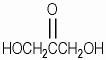
Caratteristica
- INCI
- Dihydroxyacetone
- Ru.
- DHA
- CAS
-
96-26-4
Questo è il numero della sostanza nel registro del Chemical Abstracts Service. Il numero CAS identifica in modo univoco una sostanza indipendentemente dalla lingua, dal nome commerciale o dai sinonimi.
- EC
-
202-494-5
Questo è il numero della sostanza nel sistema europeo di identificazione chimica (numero CE), utilizzato nelle banche dati normative europee, tra cui ECHA/CosIng.
- IUPAC
- 1,3-Dihydroxyacetone
- Funzione
- ridurre, condizionamento della pelle, abbronzatura
Per chi
Descrizione
Il diidroxiacetone (DHA) è il classico ingrediente auto-abbronzatore usato in molte lozioni, mousse, spray e bronzanti graduali. È un semplice zucchero che reagisce con gli amminoacidi nello strato esterno della pelle per creare pigmenti di colore marrone, dando l'aspetto di un abbronzatore senza esposizione ai raggi UV. In realtà non cambia la produzione di melanina della pelle, quindi il colore è temporaneo e svanisce quando le cellule morte della pelle si dissolvono naturalmente.
Per la pelle, il DHA riguarda principalmente il colore cosmetico: può aiutare le persone che vogliono un aspetto pallido, anche l'aspetto delle gambe o delle braccia, o mantenere un aspetto abbronzatore per tutto l'anno. È anche utile per chiunque eviti il sole o le abbronzature graduali. Nei capelli, il DHA non è un zucchero comune; il suo ruolo principale è ancora l'auto-abbronzatore; può anche essere utilizzato per le palme, le palme, i capelli, i vestiti o i frammati, se non viene applicato in modo eccessivamente.
Perché il DHA può fornire una protezione temporaneamente, se non viene applicato in modo eccessivamente, può anche proteggere la pelle in modo eccessivamente.
Prove e ricerca su Dihydroxyacetone
-
1
Braunberger, T. L., et al. "Dihydroxyacetone: A Review." Journal of drugs in dermatology: JDD 17.4 (2018): 387-391.Trova in PubMed
-
2
Jung, K., et al. "UV-generated free radicals (FR) in skin: their prevention by sunscreens and their induction by self-tanning agents." Spectrochimica Acta Part A: Molecular and Biomolecular Spectroscopy 69.5 (2008): 1423-1428.Trova in PubMed
Prodotti con Dihydroxyacetone (569 totale)
Più comune nei prodotti Bondi Sands (41 articoli)


