Characteristics
- INCI
- Opuntia Ficus-Indica Seed Oil
- Ru.
- Prickly Pear Oil
- CAS
-
90082-21-6
This is the substance number in the Chemical Abstracts Service registry. The CAS number uniquely identifies a substance regardless of language, trade name, or synonyms.
- EC
-
290-109-1
This is the substance number in the European chemical identification system (EC number), used in European regulatory databases including ECHA/CosIng.
- Functions
- emollient
Description
The emollient plant oil coming from the seeds of the cactus commonly called Prickly Pear or Nopal Fig. It is a native to Mexico cactus with large, sweet fruits that are used to create jam and jellies. About 18–20% of the peeled fruits are seeds, and the seeds contain only about 3-5% oil. This means that the oil is rare and expensive as a ton of fruit (and it is literally a ton) is needed to yield 1 liter of it.
As for its composition, its three main fatty acids are barrier-repairing linoleic (60-70%), nourishing oleic (9-26%), and saturated fatty acid, palmitic (8-18%). It is also rich in antioxidant vitamin E (110mg/100g) and in anti-inflammatory sterols (beta-sitosterol, campesterol). As a high-linoleic oil, it has a light skin feeling, absorbs easily into the top layer of the skin and gives a velvety skin feel.
Evidence & Research on Opuntia Ficus-Indica Seed Oil
-
1
Ramadan, Mohamed Fawzy, and Jörg-Thomas Mörsel. "Oil cactus pear (Opuntia ficus-indica L.)." Food chemistry 82.3 (2003): 339-345.Find in PubMed
-
2
Ennouri, Monia, et al. "Fatty acid composition and rheological behaviour of prickly pear seed oils." Food Chemistry 93.3 (2005): 431-437.Find in PubMed
Products with Opuntia Ficus-Indica Seed Oil (545 total)
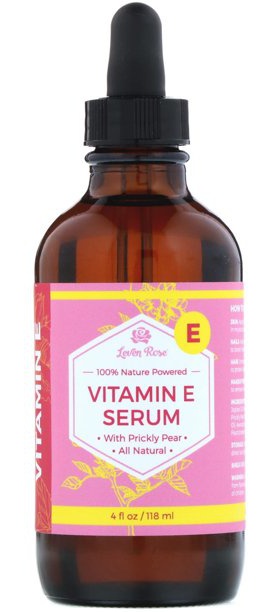
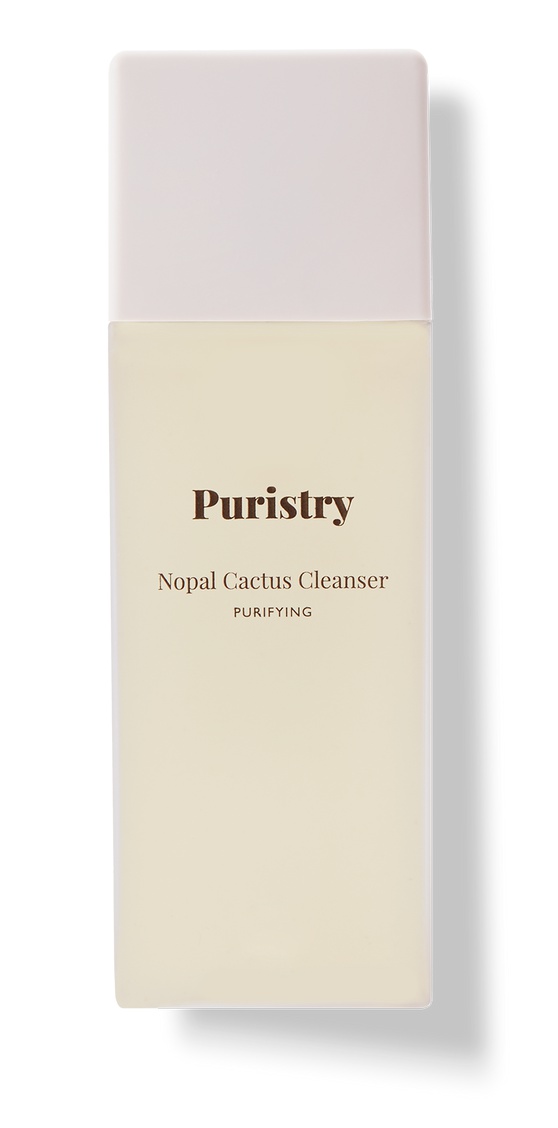
Most often found in Huxley products (37 items)