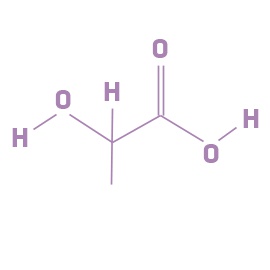
Характеристики
- INCI
- Lactic Acid
- CAS
-
50-21-5
Это номер вещества в реестре Chemical Abstracts Service. Номер CAS используется для точной идентификации вещества независимо от языка, торгового названия или синонимов.
- EC
-
200-018-0
Это номер вещества в европейской системе идентификации химических веществ — EC number. Он используется в европейских регуляторных базах, включая ECHA/CosIng.
- IUPAC
- Propanoic Acid, 2-Hydroxy-
- Функции
- буферное, увлажнитель, кондиционирование кожи
Для кого подходит
Как работает Lactic Acid
Молочная кислота является второй по известности и наиболее хорошо изученной среди аминокислот. На первом месте гликолевая кислота. Если вы новичок в AHA, мы настоятельно рекомендуем вам ознакомиться с нашим описанием гликолевой кислоты. Там вы найдете очень подробное и увлекательное описание, и многое из того, что мы написали, относится ко всем AHA, а также к молочной кислоте.
Здесь мы сосредоточимся главным образом на различиях. :) Но прежде, чем мы углубимся в суть, просто краткое введение.
Молочная кислота, вероятно, является одним из старейших активных компонентов, о котором женщины заметили, что она обладает некоторыми полезными свойствами для кожи. Легенда гласит, что в Древнем Египте Клеопатра купалась в кислом молоке. И да, вы правильно догадались: кислое молоко - основной природный источник молочной кислоты.
Что касается AHA, то это также относится и к молочной кислоте, которая может мягко удалять омертвевшие клетки кожи, открывая более свежую, гладкую и привлекательную кожу под ними. Это потрясающее свойство AHA, и уже одно это делает нас их поклонниками!
Но, как и гликолевая кислота, молочная кислота также обладает некоторыми другими свойствами. Однако “еще немного” для них обоих немного отличается. Различия связаны с тем, что молекула молочной кислоты больше.
Из-за более крупной молекулы он может менее эффективно проникать в кожу. Это означает, с одной стороны, что молочная кислота более нежна, а с другой - что ее омолаживающие свойства, вероятно, немного менее эффективны.
Хотя способность молочной кислоты усиливать выработку коллагена не так хорошо доказана, есть исследования, которые показывают, что она также обладает замечательными омолаживающими свойствами (при использовании в нужной концентрации и с правильным уровнем рН).
В исследовании, проведенном в 1996 году, сравнивалось применение 5%-ной и 12%-ной молочной кислоты и изучалось их влияние на наружный (эпидермис) и средний (дерму) слои кожи. В результате обе процедуры показали хороший эффект отшелушивания, но 5%-ная обработка воздействовала только на эпидермис, в то время как 12%-ная обработка воздействовала как на дерму, так и на эпидермальный покров.
В другом исследовании сравнивались различные AHA, включая молочную и гликолевую кислоты, с точки зрения пользы для кожи и раздражения кожи. В результате оказалось, что обе эти кислоты являются очень эффективными аналогами AHA (более эффективными, чем лимонная, яблочная и гидроксимасляная кислоты), и после шести недель использования как молочная, так и гликолевая кислоты в одинаковой степени улучшили упругость кожи, ее толщину и разгладили морщины.
В этом исследовании также сравнивались различные варианты молочной кислоты, L и D. Молочная кислота похожа на наши руки, у нее есть “левая” и "правая" версии. Удивительно, но эти две версии не одинаковы: L-молочная кислота показала одинаковую эффективность при меньшем раздражающем эффекте, так что эта версия является лучшим выбором для косметического средства. Кстати, причина этого не понятна.
Кроме того, молочная кислота обладает еще одним волшебным свойством: она является прекрасным увлажняющим компонентом крема.
На самом деле, он настолько хорошо увлажняет и ухаживает за сухой кожей, что в США даже существует одобренный FDA рецептурный продукт под названием ЛакГидрин, который содержит 12% молочной кислоты для увлажнения кожи.
Здесь также очень важен правильный выбор концентрации продукта и значения pH. Вы можете подробно прочитать о том и другом в описании гликолевой кислоты. То же самое относится и к молочной кислоте: рН 3-4 является оптимальным для домашних продуктов.
Другие полезные свойства, перечисленные в разделе "гликолевая кислота", также применимы и здесь. Единственное отличие: она более нежная, поэтому, вероятно, вызывает меньше жжения (хотя, конечно, это зависит от концентрации и pH).
Итак, итог: молочная кислота также является суперзвездой. Это нежное увлажняющее средство AHA, которое придаст вам свежий, гладкий и ровный цвет лица, а также окажет омолаживающее действие. Если вы еще этого не сделали, обязательно попробуйте!
Часто задаваемые вопросы о Lactic Acid
Что молочная кислота делает с кожей?
Полезна ли молочная кислота для лица?
Как вы используете молочную кислоту для ухода за кожей?
В чем преимущества сыворотки с молочной кислотой?
Может ли молочная кислота помочь при угревой сыпи или темных пятнах?
Lactic Acid: краткие факты
- Это второй наиболее изученный АНК после гликолевой кислоты
- Он мягко удаляет омертвевшие клетки кожи, открывая более новую, свежую и гладкую кожу
- Он также обладает удивительными увлажняющими свойствами для кожи
- В более высокой концентрации (10% и выше) он улучшает упругость кожи, разглаживает морщины
- Выбирайте продукт, в котором вы знаете концентрацию и значение рН, потому что эти два параметра сильно влияют на эффективность
- Не забывайте пользоваться солнцезащитным кремом (в любом случае, но особенно рядом с продуктом AHA).
Исследования и доказательная база: Lactic Acid
-
1
International Journal of Cosmetic Science, Volume 18 (2) – Apr 1, 1996, Comparative effectiveness of α‐hydroxy acids on skin properties
-
2
Journal of Americal Academy of Dermatology, September 1996, Volume 35, Issue 3, Part 1, Pages 388–391, Epidermal and dermal effects of topical lactic acid
-
3
Dermatologic Surgery, Volume 24 (6) – Jun 1, 1998, The Roles of pH and Concentration in Lactic Acid‐induced Stimulation of Epidermal Turnover
-
4
Leslie Baumann, MD, Cosmetic Dermatology, 2nd edition, Lactic acid, 150o, 275-276o
Продукты с Lactic Acid (15 261 всего)
Чаще всего встречается в продукции Korres (136 продуктов)


