Characteristics
- INCI
- Propanediol Dicaprylate
- Functions
- Emollient, Skin conditioning, Solvent
Description
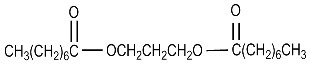
Derived from a combination of propanediol (a natural humectant often sourced from corn or sugar fermentation) and caprylic acid (a fatty acid found in coconut oil and palm kernel oil), propanediol dicaprylate is a synthetic ester that bridges the gap between lightweight texture and robust emollience. Chemically, it belongs to the diester family, where two caprylic acid chains are attached to a propanediol backbone, resulting in a molecule that mimics the skin's natural lipids. This ingredient is prized for its ability to deliver a silky, non-greasy feel while providing the slip and spreadability formulators crave. Because it's produced through a controlled esterification process, it avoids the pitfalls of some natural oils—like rancidity or inconsistent composition—making it a stable, reliable choice for modern skincare.
In cosmetic formulations, propanediol dicaprylate functions primarily as an emollient and solvent, meaning it softens the skin while helping to dissolve and evenly distribute other ingredients like active compounds, fragrances, or sunscreens. When applied, it forms a thin, breathable film on the skin's surface that reduces transepidermal water loss by filling in the gaps between dead skin cells, effectively reinforcing the skin barrier without clogging pores. Its molecular structure allows it to absorb quickly—leaving no heavy residue—while also acting as a penetration enhancer for certain lipophilic ingredients. Typical concentrations range from 1% to 10%, though it can be used higher in anhydrous products like balms or cleansing oils, where its solvent properties shine.
The primary benefit of propanediol dicaprylate is its ability to deliver exceptional skin conditioning without the tackiness or greasiness associated with heavier oils or butters. It leaves the skin feeling velvety smooth and hydrated, making it a favorite in lightweight moisturizers, serums, and sunscreens where a "barely there" finish is desired. Evidence for its efficacy is largely empirical and derived from its chemical similarity to natural sebum components; it's been shown to improve skin softness and reduce roughness with regular use, though clinical studies specifically on this ester are limited. Additionally, its non-comedogenic profile—confirmed by many formulation tests—makes it suitable for acne-prone or oily skin types, as it won't block pores or exacerbate breakouts. It also helps stabilize emulsions and can boost the spreadability of pigments in tinted products, contributing to a more uniform application.
This ingredient is exceptionally well-tolerated across all skin types, including sensitive and rosacea-prone skin, due to its low irritation potential and lack of known sensitizers. It pairs harmoniously with a wide range of other ingredients—from humectants like hyaluronic acid to occlusives like shea butter—and doesn't interfere with the efficacy of active ingredients like vitamin C, retinol, or AHAs. One limitation is that it offers only moderate occlusivity compared to heavier oils (e.g., jojoba or squalane), so it's best layered with a richer moisturizer in very dry climates or for dehydrated skin. There are no known negative interactions, though individuals with extreme sensitivity to coconut-derived ingredients should patch-test, as caprylic acid traces may rarely cause minor reactions. Overall, it's considered a safe, low-risk ingredient with a high tolerance profile.
When scanning ingredient lists, you'll often find propanediol dicaprylate near the middle to upper portion, as it's used at moderate concentrations to achieve its emollient and solvent effects. It's especially common in K-beauty and J-beauty formulations, where lightweight textures are prized, and in "clean" or "natural" brands that favor plant-derived alternatives to silicones or mineral oils. Interestingly, despite its synthetic-sounding name, it's fully biodegradable and frequently used as a silicone alternative—providing that slip and cushion without the environmental concerns associated with cyclomethicone or dimethicone. A fun fact: because it's so effective at dispersing pigments and active ingredients evenly, it's a secret weapon in many luxury foundations and tinted sunscreens, helping them glide on like a second skin. If you're looking for a non-greasy, skin-friendly emollient that plays well with others, this ester is a solid bet.
Products with Propanediol Dicaprylate (110 total)
Most often found in Apivita products (20 items)


