Characteristics
- INCI
- Lycopene
- CAS
-
502-65-8
This is the substance number in the Chemical Abstracts Service registry. The CAS number uniquely identifies a substance regardless of language, trade name, or synonyms.
- EC
-
207-949-1
This is the substance number in the European chemical identification system (EC number), used in European regulatory databases including ECHA/CosIng.
- IUPAC
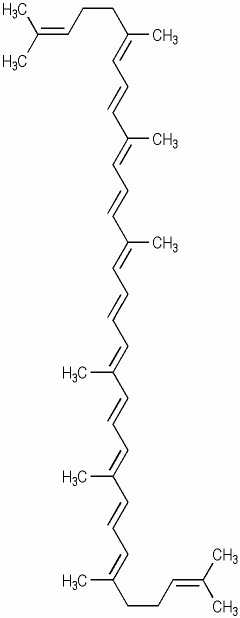
- (All-E)-2,6,10,14,19,23,27,31-Octamethyl-2,6,8,10,14,16,18,20,22,24,26,30-Dotriaconatridecaene
- Functions
- Antioxidant
- EU Restr.
-
IV/110
EU regulatory status: restricted use. The ingredient is permitted in EU cosmetics but its use and labelling are regulated.
More detail →
Description
Lycopene is a bright red carotenoid pigment and powerful antioxidant naturally found in tomatoes, watermelon, pink grapefruit, apricots, and guava. Chemically, it belongs to the tetraterpene family, with a long chain of conjugated double bonds that give it both its vibrant color and its exceptional ability to neutralize free radicals. Unlike beta-carotene, lycopene lacks provitamin A activity, meaning it doesn't convert to vitamin A in the body, but its unique molecular structure makes it one of the most efficient singlet oxygen quenchers among all carotenoids. In nature, lycopene accumulates in the chromoplasts of ripening fruits, serving as a protective shield against oxidative stress from sunlight and environmental damage.
In cosmetic formulations, lycopene functions primarily as a potent antioxidant that scavenges reactive oxygen species (ROS) before they can trigger lipid peroxidation and collagen degradation. It works by donating electrons to stabilize free radicals, effectively breaking the chain reaction of oxidative damage that leads to premature aging. Formulators typically use lycopene at concentrations ranging from 0.1% to 2%, often incorporating it into serums, creams, and sunscreens where photoprotection and anti-aging benefits are desired. Because lycopene is oil-soluble and sensitive to light and heat, it is usually stabilized with other antioxidants like vitamin E or encapsulated in liposomes to maintain its efficacy throughout the product's shelf life.
The primary benefits of lycopene in skincare include protection against UV-induced photoaging, reduction of fine lines and wrinkles, and improvement in skin texture and tone. Clinical studies suggest that topical lycopene can reduce erythema (redness) caused by UV exposure and may help prevent the formation of sunburn cells when used alongside sunscreen. Additionally, its antioxidant activity supports the skin's natural repair processes by combating oxidative stress from pollution and blue light, which are increasingly recognized as contributors to premature aging. While the evidence is strongest for its photoprotective and anti-aging effects, some research also indicates lycopene may help soothe inflammatory skin conditions like acne and rosacea by calming oxidative flare-ups.
Lycopene is suitable for all skin types, including sensitive and acne-prone skin, as it is generally non-irritating and non-comedogenic. It pairs exceptionally well with other antioxidants such as vitamin C, vitamin E, and ferulic acid, creating a synergistic network that amplifies overall protection against environmental stressors. However, because lycopene is inherently unstable—degrading quickly when exposed to air, light, or high temperatures—it is often found in opaque, airless pump packaging or combined with stabilizing ingredients like ascorbyl palmitate. Those with very oily skin may find that high concentrations of lycopene in oil-based formulations feel slightly heavy, but this can be mitigated by choosing lightweight serums or gel-creams. There are no known negative interactions with common skincare actives like retinol or AHAs, making it a flexible addition to most routines.
When shopping for lycopene-infused products, look for it listed as Lycopene on the ingredient label, often derived from tomato extract or synthetic sources for consistency. It can also appear as part of a broader "tomato fruit extract" or "carotenoid complex," so check the INCI list for its specific name. Expect products containing lycopene to have a subtle pinkish-orange tint, though this is usually masked by other pigments or packaging. A fun fact: lycopene's name comes from the New Latin word Solanum lycopersicum (the tomato's scientific name), and it is actually more bioavailable from cooked tomato products than raw ones—a principle that applies to both dietary and topical applications, as heat processing can increase its concentration and stability. Despite its potency, lycopene is not as widely used in skincare as vitamin C or retinol, making it a hidden gem for those seeking advanced antioxidant protection without irritation.
Products with Lycopene (172 total)
Most often found in Skin Actives products (22 items)


