Characteristics
- INCI
- Gluconic Acid
- CAS
-
526-95-4
This is the substance number in the Chemical Abstracts Service registry. The CAS number uniquely identifies a substance regardless of language, trade name, or synonyms.
- EC
-
208-401-4
This is the substance number in the European chemical identification system (EC number), used in European regulatory databases including ECHA/CosIng.
- IUPAC
- D-Gluconic Acid
- Functions
- Chelating, Perfuming
Description
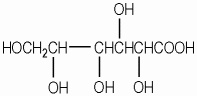
Derived from the oxidation of glucose, gluconic acid is a mild organic acid that occurs naturally in fruits, honey, and wine. Chemically, it belongs to the class of sugar acids, specifically a polyhydroxy acid (PHA), and is produced through the fermentation of glucose by certain fungi or bacteria. Its structure features multiple hydroxyl groups and a carboxylic acid group, giving it both water solubility and gentle chelating properties. In nature, gluconic acid helps regulate pH and acts as a mild preservative, which translates well into cosmetic formulations.
In cosmetics, gluconic acid primarily serves as a chelating agent rather than an exfoliating acid. It works by binding to metal ions (like calcium, magnesium, and iron) in water and formulas, preventing them from destabilizing ingredients or causing discoloration. This chelating action helps maintain product integrity and enhances the performance of preservatives and antioxidants. Formulators typically use gluconic acid at concentrations between 0.1% and 2%, though it can also appear in higher amounts when used as a gentle exfoliant in PHA products. Its perfuming function is secondary, as it can contribute a subtle, pleasant scent in some formulations.
The main benefit of gluconic acid lies in its ability to improve formula stability and skin feel without the harshness of stronger acids. As a chelator, it prevents metal-induced degradation of active ingredients like vitamin C and retinoids, extending their shelf life and efficacy. When used at higher concentrations (around 5–10%), it offers gentle exfoliation by loosening dead skin cells at the surface, making it suitable for sensitive skin types that cannot tolerate glycolic or lactic acid. Evidence for its exfoliating benefits is moderate compared to stronger AHAs, but its moisturizing and antioxidant-stabilizing effects are well-supported by formulation science.
Gluconic acid is exceptionally well-tolerated, making it ideal for sensitive, reactive, or dry skin that needs gentle exfoliation without irritation. It is also compatible with most other ingredients, including niacinamide, peptides, and hyaluronic acid, and can be used alongside other acids like salicylic or glycolic acid in lower concentrations. However, it should not be confused with gluconolactone, another PHA with slightly different properties. There are no known significant limitations, but as with any acid, it may increase sun sensitivity, so daily SPF use is recommended. It is also safe for use during pregnancy and breastfeeding.
When scanning ingredient lists, look for gluconic acid near the end of the formula, typically after water and before preservatives. It is often listed alongside other chelators like disodium EDTA or alongside PHAs like gluconolactone. A fun fact: gluconic acid is a key component in some natural preservative systems, as it helps boost the antimicrobial activity of other preservatives. Despite its mild name, it plays a powerful role in keeping your products stable and effective, especially in water-based serums and lotions. If you see it in a product, it's a sign of thoughtful formulation aimed at long-term efficacy and skin comfort.
Products with Gluconic Acid (242 total)
Most often found in be BIO products (10 items)


