Characteristics
- INCI
- Cyclomethicone
- CAS
-
541-02-6, 69430-24-6, 556-67-2, 540-97-6
This is the substance number in the Chemical Abstracts Service registry. The CAS number uniquely identifies a substance regardless of language, trade name, or synonyms.
- EC
-
208-764-9, 209-136-7, 208-762-8
This is the substance number in the European chemical identification system (EC number), used in European regulatory databases including ECHA/CosIng.
- Functions
- Emollient, Hair conditioning, Skin conditioning, Solvent
- Irritancy
-
0 / 5
Irritation potential: 0–5, where 5 is the highest irritation rating for the ingredient.
More detail → - Comedogen.
-
0 / 5
Comedogenicity index: 0–5. A non-comedogenic ingredient (0–1) is unlikely to cause cosmetic acne.
More detail →
Who it's for
Description
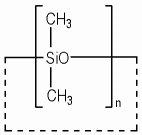
If you’ve ever used a silky primer, a featherlight serum, or a hair product that seems to vanish the second you rub it in, there’s a good chance Cyclomethicone was doing some behind-the-scenes heavy lifting. It’s not one single silicone, but a mixture of volatile cyclic silicones, usually made up of molecules with 4 to 7 silicone atoms in a ring. That’s why it’s often discussed alongside cyclopentasiloxane, but they’re not identical things: cyclopentasiloxane is only one part of the cyclomethicone family, not the whole cast.
The big trick here is that these molecules are volatile, which means they evaporate off the skin or hair instead of sticking around like a clingy guest. In practical terms, that gives formulas a super-light, silky slip and a very low after-feel. Your cream spreads more easily, your foundation blends more smoothly, and your hair product can make strands feel less greasy or heavy. This is one reason cyclomethicone became so popular in makeup, hair serums, deodorants, and leave-on skincare where a greasy finish would be a no-go.
From a skin-feel point of view, cyclomethicone acts mostly as a carrier and texture improver. It helps spread other ingredients evenly, can make formulas feel drier and more elegant, and briefly softens the skin while it’s on there. But because it evaporates, it’s not a long-lasting moisturizer on its own. It doesn’t meaningfully hydrate the skin the way glycerin does, and it won’t create the same durable occlusive barrier as heavier oils or petrolatum. Think of it as the ingredient that makes a formula feel glamorous, not the one doing the deep skincare work. One important note: in some regions, the exact cyclic silicones allowed in products have shifted over time, so if you’re seeing different naming on labels, that’s usually regulatory housekeeping rather than a mystery ingredient swap.
For most people, cyclomethicone is very well tolerated and is generally considered non-irritating in cosmetic use. Since it evaporates, it usually leaves little residue behind, which is great if you dislike that classic silicone “coating” feeling. If you have very dry skin or hair, though, you may still want to pair silicone-heavy formulas with ingredients that actually add water or lipids back in. In other words, cyclomethicone is brilliant at making products feel smooth and elegant, but it’s more of a texture whisperer than a true treatment ingredient.
More detail
Cyclomethicone is not one type of silicone, but a whole mixture of them: it's a mix of specific chain length (4 to 7) cyclic structured silicone molecules. (There seems to be a confusion on the internet whether Cyclomethicone and Cyclopentasiloxane are the same. They are not the same, but Cyclopentasiloxane is part of the mixture that makes up Cyclomethicone).
All the silicones in the Cyclomethicone mixture are volatile, meaning they evaporate from the skin or hair rather than stay on it. This means that Cyclomethicone has a light skin feel with none-to-minimal after-feel. It also makes the formulas easy to spread and has nice emollient properties.
Evidence & Research on Cyclomethicone
Products with Cyclomethicone (2 169 total)
Most often found in Nivea products (71 items)


