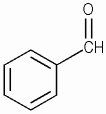
Characteristics
- INCI
- Benzaldehyde
- CAS
-
100-52-7
This is the substance number in the Chemical Abstracts Service registry. The CAS number uniquely identifies a substance regardless of language, trade name, or synonyms.
- EC
-
202-860-4
This is the substance number in the European chemical identification system (EC number), used in European regulatory databases including ECHA/CosIng.
- IUPAC
- Benzaldehyde
- Functions
- Denaturant, Flavouring, Masking, Perfuming
Description
At its core, Benzaldehyde is the simplest aromatic aldehyde, consisting of a benzene ring attached to a formyl group. In nature, it is the primary compound responsible for the distinctive scent of bitter almonds, and it can also be found in apricot kernels, cherry pits, peach stones, and even in certain essential oils like cassia and hyacinth. While it exists naturally in these sources, the benzaldehyde used in cosmetics is almost always synthetically produced to ensure purity and consistency, often through the oxidation of toluene or the hydrolysis of benzal chloride. This colorless liquid has a powerful, sweet, almond-like aroma that makes it a valuable player in the flavoring and fragrance industry.
In cosmetic formulations, benzaldehyde serves multiple technical roles, primarily as a denaturant, flavoring agent, masking agent, and perfuming ingredient. As a denaturant, it is added to alcohol-based products—such as toners, perfumes, and hand sanitizers—to render them unpalatable and discourage accidental ingestion, a common regulatory requirement in many regions. Its strong, characteristic almond scent makes it highly effective as a masking agent, where it helps cover up the often-unpleasant odors of other raw materials like sulfur-containing actives or certain botanical extracts. When used for perfuming, it contributes a warm, sweet, and slightly marzipan-like top note that blends well with vanilla, floral, and fruity accords. Typical usage concentrations are very low, usually below 1% in leave-on products, as higher amounts can be irritating and its scent becomes overpowering.
The primary benefit of benzaldehyde in skincare is its ability to enhance the sensory experience of a product. By contributing a pleasant, recognizable almond scent, it can make a formulation feel more luxurious, calming, or indulgent, which in turn improves user compliance and satisfaction. In oral care products like toothpaste or mouthwash, its flavoring property provides a sweet, nutty taste that can mask the bitterness of active ingredients like fluoride or sodium lauryl sulfate. However, it is important to note that benzaldehyde does not offer any direct therapeutic benefits for the skin—it does not hydrate, exfoliate, or provide antioxidant protection. Its role is purely functional, focused on aesthetics and safety, and the evidence supporting its efficacy in these areas is well-established through decades of use in the fragrance and flavor industry.
Benzaldehyde is generally considered safe for use in cosmetics at regulated concentrations, but it does come with important considerations. It is a known skin sensitizer and can cause irritation or allergic reactions in some individuals, particularly those with sensitive or compromised skin. For this reason, it is often restricted in leave-on products intended for sensitive skin, and many "fragrance-free" formulations deliberately avoid it. It pairs well with most other cosmetic ingredients, including alcohols, oils, and water-based actives, but it is incompatible with strong oxidizing agents and can react with amines over time. Regarding skin types, it is best avoided by those with eczema, rosacea, or a known allergy to almond-derived compounds. Regulatory bodies like the IFRA (International Fragrance Association) have set usage limits to minimize sensitization risk, and it is listed as an allergen in the EU Cosmetics Regulation when present above certain thresholds.
When scanning ingredient labels, you will typically find benzaldehyde listed near the end of the INCI list due to its low usage concentrations. It may also appear under synonyms like benzoic aldehyde or phenylmethanal, though the INCI name is most common. An interesting fact: benzaldehyde is not only a cosmetic ingredient but also a key intermediate in the synthesis of many other compounds, including certain dyes and pharmaceuticals. In high concentrations, it has a characteristic bitter almond odor, but when diluted, it can take on a more cherry-like nuance. If you are sensitive to fragrances or have a history of contact dermatitis, it is wise to patch-test products containing this ingredient, even if the scent seems natural. Despite its widespread use, benzaldehyde remains one of the more straightforward and well-understood aromatic compounds in the cosmetic chemist's toolkit.
Products with Benzaldehyde (141 total)
Most often found in Catrice products (9 items)


